
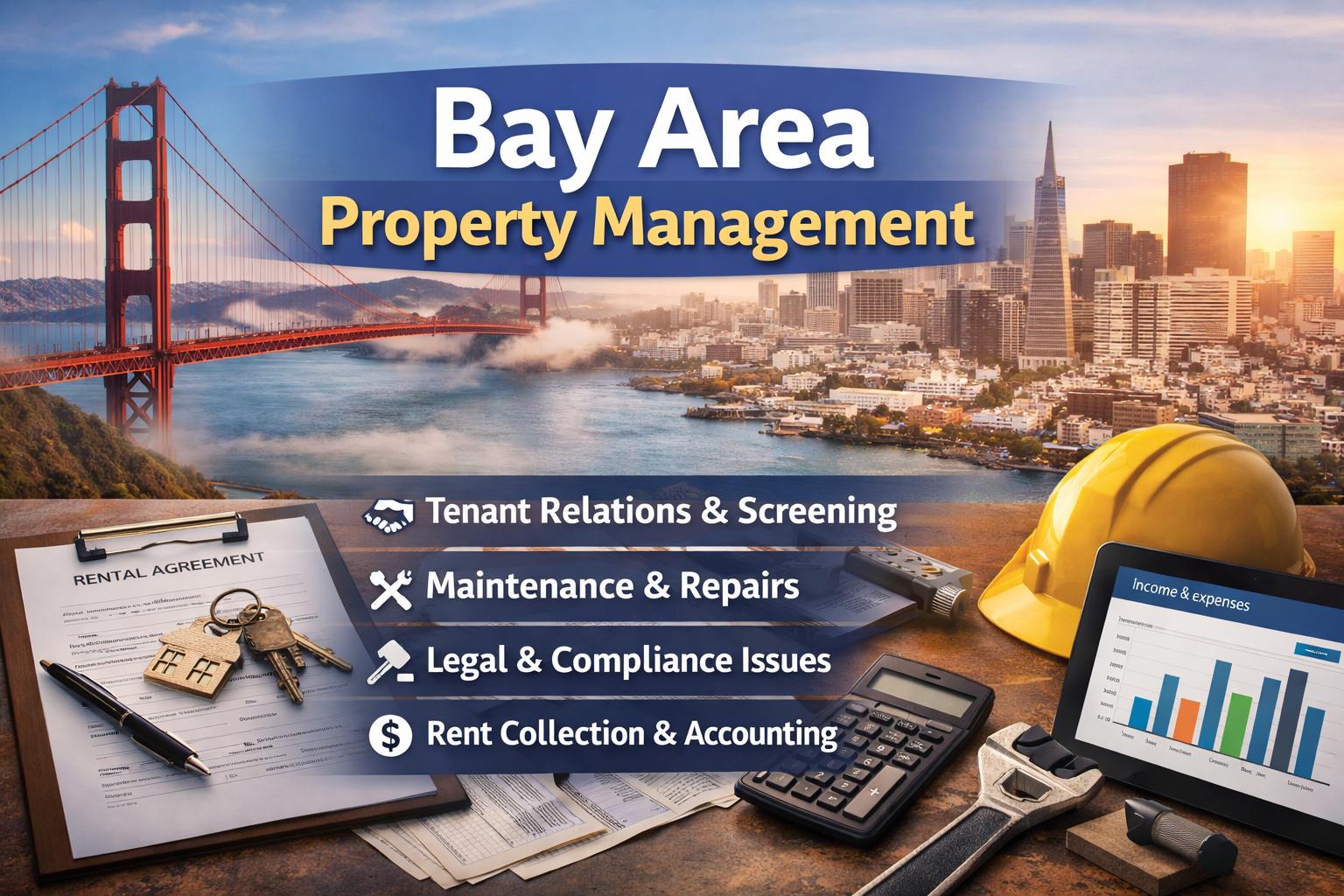
Introduction: Why Rental Ownership Requires Systems
Owning rental property is often marketed as passive income. In reality, it is an operational business that requires structure, repeatable systems, and consistent oversight.
In the Bay Area especially, bay area property management involves far more than advertising a rental and collecting monthly payments. Property owners are responsible for compliance, tenant communication, maintenance coordination, financial tracking, and risk management.
Many new investors underestimate the operational load. A single rental unit can generate dozens of small tasks every month—questions from tenants, repair requests, accounting entries, inspections, vendor coordination, and regulatory updates.
Without clear systems, these tasks quickly become reactive and stressful.
Owners who succeed long-term typically treat rental housing like a small company. That means documenting procedures, keeping organized records, working with reliable vendors, and setting consistent expectations with tenants.
For some owners this structure becomes manageable over time. For others, the growing operational complexity leads them to explore professional bay area property management support.
Before making that decision, it helps to understand what the real workload looks like.
Understanding the Legal and Regulatory Environment
California has one of the most regulated rental housing environments in the country. Property owners must stay aware of both statewide and local regulations that affect leasing, rent increases, and tenant protections.
In practice, this means landlords must regularly monitor changes to housing laws and ensure their processes remain compliant.
Statewide Regulations
California landlords must navigate laws covering:
Security deposit handling
Habitability requirements
Rent increase rules
Tenant screening practices
Notice requirements
Fair housing compliance
The legal framework continues to evolve, which means systems for documentation and record-keeping are essential.
Local Bay Area Regulations
Beyond statewide law, many Bay Area cities have additional housing regulations. These can include:
Rent stabilization ordinances
Local eviction protections
Registration requirements
Inspection programs
Understanding how local policies interact with state law is a key part of responsible ownership.
This regulatory complexity is one reason professional bay area property management companies focus heavily on compliance systems and standardized procedures.
Owners who self-manage must build similar safeguards to reduce legal risk and ensure consistent documentation.
Tenant Management Responsibilities
Tenant relationships are often the most time-intensive aspect of managing rental property.
While many tenants are straightforward and cooperative, landlords should still expect consistent communication and occasional conflict resolution.
Leasing and Tenant Screening
Before a tenant even moves in, the process includes:
Marketing the property
Coordinating showings
Processing applications
Screening credit and rental history
Verifying income and employment
Each step must follow fair housing guidelines and consistent screening criteria.
Property owners who prefer not to manage this stage themselves sometimes work with leasing professionals or services such as SOWN Realty Group.
Move-In Procedures
A proper move-in process typically includes:
Executing the lease agreement
Collecting deposits and initial rent
Completing property condition documentation
Delivering required disclosures
Clear documentation at move-in protects both the tenant and the owner later.
Ongoing Tenant Communication
Once a tenant is living in the property, communication becomes ongoing.
Typical tenant interactions include:
Maintenance requests
Questions about the lease
Noise or neighbor issues
Renewal discussions
Even well-maintained properties generate communication regularly. This relationship management is a core part of bay area property management that many first-time landlords underestimate.
Maintenance Coordination and Property Care
Rental properties require constant physical oversight.
Even newer homes will experience routine wear and tear, while older Bay Area properties may require more frequent repairs.
Routine Maintenance
Common maintenance tasks include:
Plumbing repairs
Appliance replacement
HVAC servicing
Pest control
Landscaping upkeep
Owners must maintain vendor relationships and respond to issues promptly.
Reliable vendor networks are critical because tenants expect timely solutions when problems arise.
Preventative Maintenance
Proactive property care helps reduce larger issues later. Preventative maintenance often includes:
Seasonal inspections
Roof and gutter checks
Smoke and carbon monoxide testing
Water heater maintenance
Scheduling these tasks systematically protects the property's long-term value.
Emergency Response
Some maintenance requests require immediate attention.
Examples include:
Water leaks
Electrical hazards
Heating failures in winter
Safety concerns
A professional bay area property management system typically includes vendor coordination protocols and emergency response procedures to address these issues quickly.
Self-managing owners should have a clear vendor list and response plan in place.
Rent Collection and Financial Tracking
Financial management is another critical operational responsibility.
Rental income must be tracked accurately, and property owners need organized financial records for both reporting and tax purposes.
Rent Collection
Most owners now use digital rent payment platforms to simplify collection.
These systems help automate:
Monthly payment reminders
Payment tracking
Late fee policies
Financial reporting
Clear payment expectations should be written into the lease agreement.
Consistency matters. Enforcing policies evenly helps avoid disputes and maintains professional tenant relationships.
Accounting and Reporting
Rental property financial records typically include:
Rent payments
Maintenance expenses
Vendor invoices
Property improvements
Tax-related documentation
Accurate bookkeeping helps owners understand property performance.
Some landlords manage this themselves, while others rely on structured systems used by bay area property management companies.
When Owners Consider Professional Management
Self-management works well for some property owners, particularly those with a single rental and flexible schedules.
However, many investors eventually reach a point where the operational workload becomes difficult to maintain.
Several situations often lead owners to consider professional management.
Portfolio Growth
As owners acquire more properties, operational tasks multiply.
Each additional unit adds more tenants, more maintenance coordination, and more financial tracking.
Scaling these responsibilities without systems can become overwhelming.
Professional managers build processes specifically designed to handle multiple properties efficiently.
Time Constraints
Many property owners have full-time careers outside of real estate.
Handling tenant communication, repairs, and compliance during evenings or weekends can become difficult.
This is where structured bay area property management services can create operational relief.
Compliance and Risk Reduction
California’s regulatory environment continues to evolve. Professional managers typically monitor legal updates and adjust procedures accordingly.
This can help property owners stay organized and reduce potential compliance issues.
Operational Systems
Professional firms also provide infrastructure that many individual owners do not want to build themselves.
These systems often include:
Tenant portals
Maintenance coordination platforms
Vendor networks
Accounting software
Compliance tracking
Owners who want a more hands-off experience often explore services like
Full Service Management
You can also learn more about how management services work at
https://www.sownrealtygroup.com/pricing
Understanding the team and approach behind a company is also helpful, which is why many owners review the firm's background at
https://www.sownrealtygroup.com/about
Property owners who want to explore management options or ask questions about their rental situation can connect directly through
https://www.sownrealtygroup.com/contact
Final Thoughts
Rental housing can be a powerful long-term investment, particularly in strong markets like the Bay Area.
However, success depends on consistent systems and disciplined operations.
From compliance and tenant relations to maintenance and financial oversight, bay area property management involves ongoing work behind the scenes.
Owners who understand these responsibilities early can build processes that support long-term stability and protect the value of their properties.
For some investors, self-management remains the right fit. For others, partnering with professionals becomes a practical way to streamline operations while focusing on broader investment goals.
Either approach works best when it is intentional, organized, and built around reliable systems.