
Owning rental property in California—especially in the Bay Area—means managing one of the most valuable assets most investors will ever own. Yet many owners still operate reactively, fixing things only when they break.
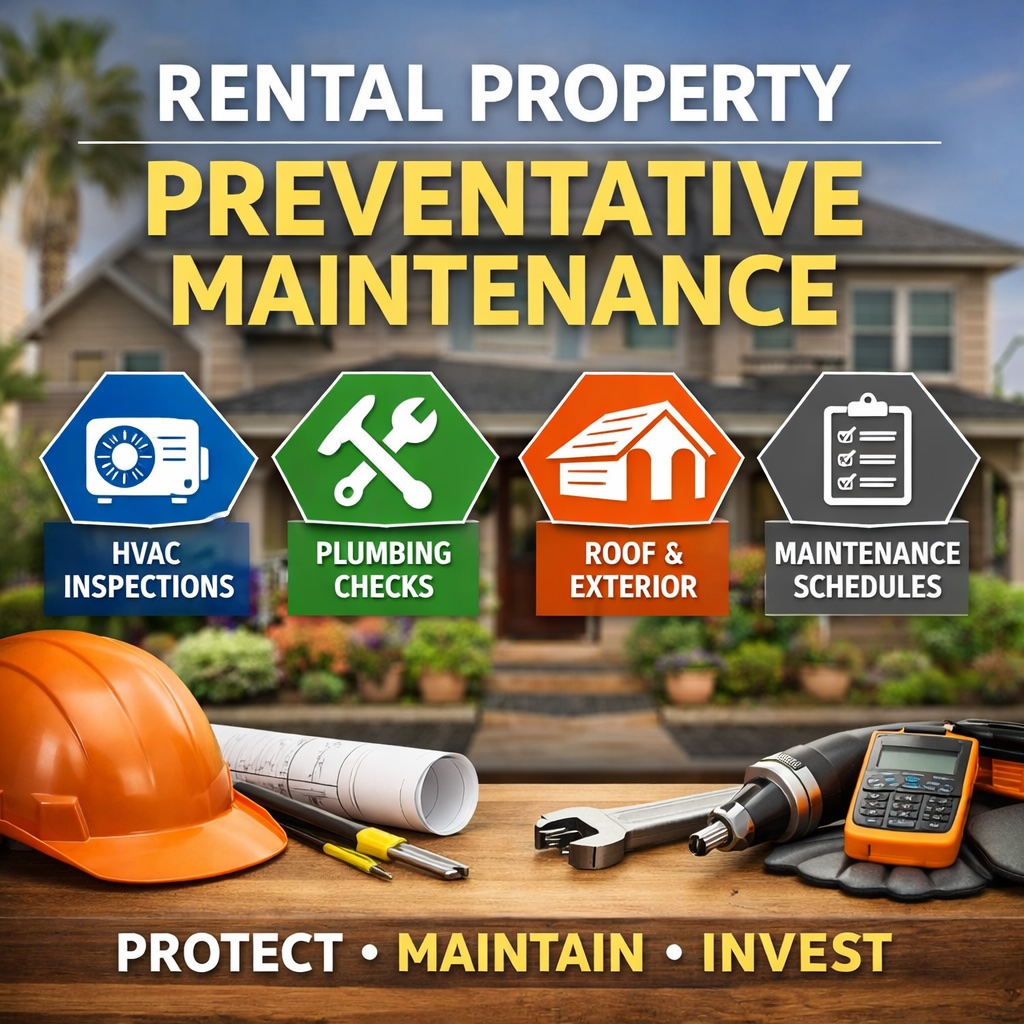
Rental Property Preventative Maintenance is one of the simplest ways to protect long-term property value while reducing operational headaches.
Instead of waiting for a water heater to fail or a roof leak to appear, preventative systems allow owners to catch small issues early. The result is fewer emergency repairs, longer equipment life, and more predictable operating costs.
For investors focused on long-term stability, preventative maintenance is not just a property task. It’s a core investment strategy.
Why Rental Property Preventative Maintenance Matters for Owners
Every rental property contains dozens of systems that naturally wear down over time: plumbing, appliances, HVAC, roofing, electrical components, flooring, and more.
Without regular inspections and servicing, small problems compound quickly.
Rental Property Preventative Maintenance creates a structured approach that keeps those systems functioning properly while minimizing surprises.
For California property owners, the benefits are significant:
Lower repair costs
Small repairs are almost always cheaper than emergency replacements.
Longer system lifespan
Water heaters, HVAC systems, and appliances last longer when serviced regularly.
Reduced tenant complaints
Well-maintained homes create better tenant experiences.
Improved property value
Consistent upkeep preserves the physical condition of the asset.
More predictable operating expenses
Maintenance planning reduces volatile repair costs.
For owners exploring professional support, structured maintenance programs are typically part of comprehensive management services like those offered through
https://www.sownrealtygroup.com/.
The Hidden Cost of Reactive Property Maintenance
Many landlords fall into a reactive cycle.
A tenant reports a leak.
An appliance stops working.
The HVAC fails during a heatwave.
Repairs are scheduled urgently, often with higher labor costs and limited vendor availability.
This approach leads to three common problems:
1. Emergency Pricing
Emergency repairs often cost significantly more than scheduled maintenance.
2. Accelerated System Failure
Neglected systems wear out faster, forcing expensive replacements.
3. Tenant Turnover
Maintenance problems are one of the most common reasons tenants move out.
When tenants leave, owners face vacancy loss, cleaning costs, and leasing expenses.
A better strategy is implementing Rental Property Preventative Maintenance systems that reduce the likelihood of urgent repairs in the first place.
Core Preventative Maintenance Categories for Rental Homes
Preventative maintenance should be structured around major building systems. Each category protects a different part of the property.
HVAC Systems
Heating and cooling systems require annual servicing.
Typical maintenance includes:
• Filter replacement
• Thermostat testing
• Condensate line cleaning
• System efficiency checks
Regular servicing improves efficiency and prevents system failures during peak seasons.
Plumbing Systems
Water damage is one of the most expensive issues rental owners face.
Routine plumbing checks should include:
• Inspecting supply lines and shutoff valves
• Checking under-sink connections
• Flushing water heaters
• Monitoring water pressure
Early detection prevents leaks from becoming major repairs.
Roofing and Exterior
Roofs and exterior elements protect the entire structure.
Annual inspections should evaluate:
• Shingles and flashing
• Gutters and drainage
• Exterior siding
• Sealants around windows and doors
Preventative care in these areas helps owners avoid costly structural damage.
Appliances
Appliances often fail earlier than expected when not maintained.
Key preventative tasks include:
• Cleaning dryer vents
• Inspecting refrigerator seals
• Checking dishwasher connections
• Servicing garbage disposals
These simple checks extend equipment lifespan.
Seasonal Maintenance Planning
The most effective owners schedule maintenance by season. This ensures systems are inspected before peak usage periods.
A typical schedule may include:
Spring
• HVAC inspection before summer
• Exterior inspection after winter storms
• Irrigation system testing
Summer
• Roof and gutter inspections
• Exterior paint and siding checks
• Landscaping maintenance
Fall
• Heater servicing
• Smoke and CO detector testing
• Weather sealing checks
Winter
• Plumbing freeze prevention
• Drainage inspections
• Interior system checks
Following a seasonal structure supports long-term Rental Property Preventative Maintenance while making workloads manageable.
Tenant Communication and Maintenance
Tenants play an important role in maintaining a rental property.
Clear communication helps identify issues early.
Owners should encourage tenants to report:
• Small leaks
• Slow drains
• Strange appliance noises
• Electrical issues
• HVAC performance problems
When tenants feel comfortable reporting small issues, owners can address problems before they escalate.
Leasing systems that set expectations early often help establish these habits. Owners looking to improve tenant onboarding can review leasing resources such as
https://www.sownrealtygroup.com/marketing.
Building a Maintenance Vendor Network
Reliable vendors are critical to successful maintenance planning.
Owners should develop relationships with trusted professionals for:
• Plumbing
• HVAC servicing
• Electrical work
• Appliance repair
• General handyman services
A consistent vendor network improves response times and ensures work quality remains consistent.
Professional property managers often maintain pre-vetted vendor lists and service schedules to support Rental Property Preventative Maintenance programs across multiple properties.
Owners interested in learning more about operational support can explore
https://www.sownrealtygroup.com/about.
Maintenance Documentation and Record Keeping
Preventative maintenance should always be documented.
Maintenance records provide several benefits:
• Track service history
• Monitor equipment lifespan
• Support insurance claims if needed
• Demonstrate responsible property oversight
Recommended documentation includes:
• Service invoices
• Inspection reports
• Appliance installation dates
• Warranty records
Well-organized records make it easier to plan upgrades and anticipate future costs.
Owners managing multiple units often benefit from digital maintenance tracking systems similar to those used by professional management companies.
Additional operational insights can often be found through educational resources like
https://www.sownrealtygroup.com/blog.
When Preventative Maintenance Becomes a System
Successful real estate investors treat maintenance as an operational system, not a series of individual tasks.
That system typically includes:
• Scheduled inspections
• Seasonal maintenance checklists
• Vendor coordination
• Tenant communication protocols
• Maintenance budgeting
Once these pieces are in place, property operations become significantly more predictable.
Over time, consistent Rental Property Preventative Maintenance improves tenant retention, stabilizes expenses, and protects property value.
For owners who prefer a fully managed system, services like those outlined at
https://www.sownrealtygroup.com/contact
can help coordinate maintenance, inspections, and vendor relationships.
Long-Term Investment Benefits
Real estate investing is fundamentally a long-term game.
Properties that are consistently maintained outperform neglected ones in several ways:
• Higher resale values
• Lower capital expenditure surprises
• Stronger tenant satisfaction
• Better inspection outcomes during sales or refinancing
Implementing Rental Property Preventative Maintenance allows owners to treat their rental homes like the long-term assets they are.
Over years of ownership, the cumulative financial impact of proactive care can be substantial.
For property owners focused on stability, fewer surprises, and stronger asset performance, preventative maintenance is one of the most practical strategies available.